What "gold plated" is allowed to mean
Gold plated, gold filled, vermeil, sterling silver: four phrases that sound like grades of the same thing and are not. The federal jewelry guides define each of them, and knowing which one is on the card tells you where the piece will wear first.
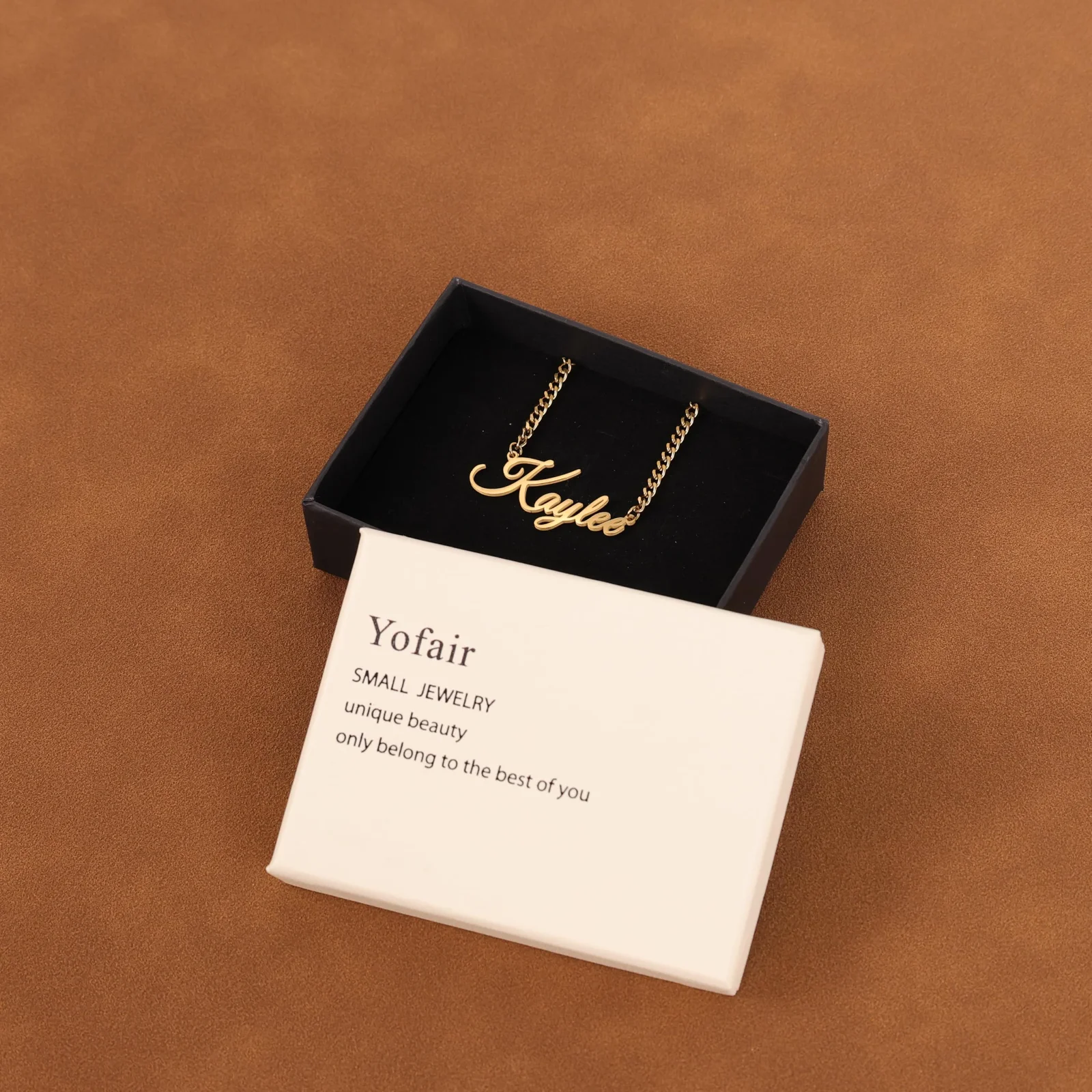
Four phrases that are not four grades of one thing
Four phrases turn up on jewelry tags, and they look like a ladder: gold plated at the bottom, sterling silver somewhere near the top. They are not a ladder. Each one answers a different question about how the piece is put together, and the federal guides for the jewelry, precious metals and pewter industries, 16 CFR Part 23, say what a shop may print for each. The guides rank nothing. They define.
Plating is a film of gold alloy laid over another metal. Vermeil is that film over a sterling silver base, and the base under the shine is the whole point of the word. Gold filled, sometimes written rolled gold plate, is a thicker layer bonded on mechanically. Sterling silver is not a coating at all: it is the alloy the piece is made of, 925 parts silver in a thousand. Four sentences about four different things, and not one of them tells you which piece will still look right in a year.
Where the label names a karat, that number describes the gold alloy used in the finish or the body. Where a thickness figure appears, it is saying something arithmetic about mass or microns. Where the guides require disclosure, omission is a rule breach for the shop, not an invitation to assume quality. You will likely see the same terms across different designs. Treat each as a discrete descriptor. Our catalogue uses those words to identify composition and finish, and nothing more. No assay of ours stands behind them. Keep that in mind when you compare one label with another.
Gold plated, and the karat that has to be stated with it
The guides permit "Gold Plate" or "Gold Plated" only under specific conditions. They say the surface plating of gold alloy must be of such thickness and surface coverage that reasonable durability is assured. They add that the term must be immediately preceded by a correct designation of the karat fineness of the alloy, in at least equal conspicuousness. A shop may not call a plated item simply "gold" or shorten the word where the item is only surface-plated, unless that word is clearly qualified.
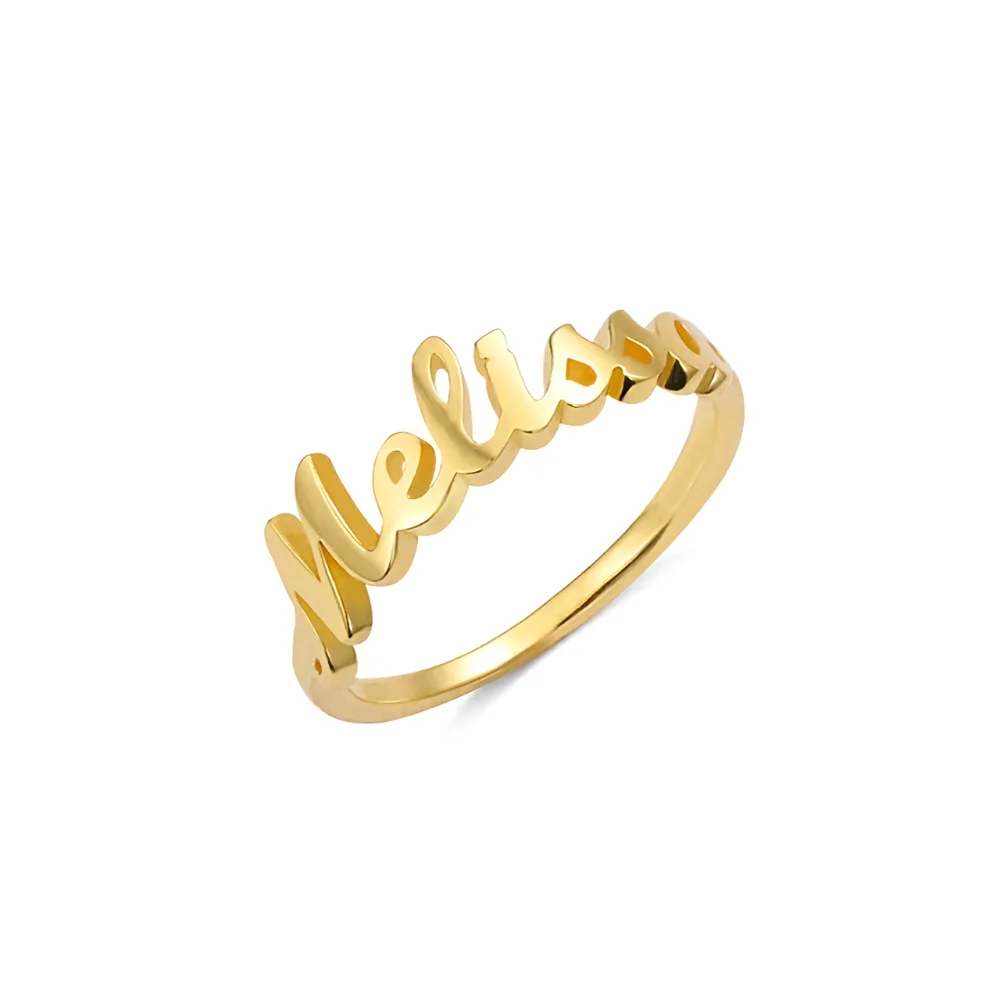
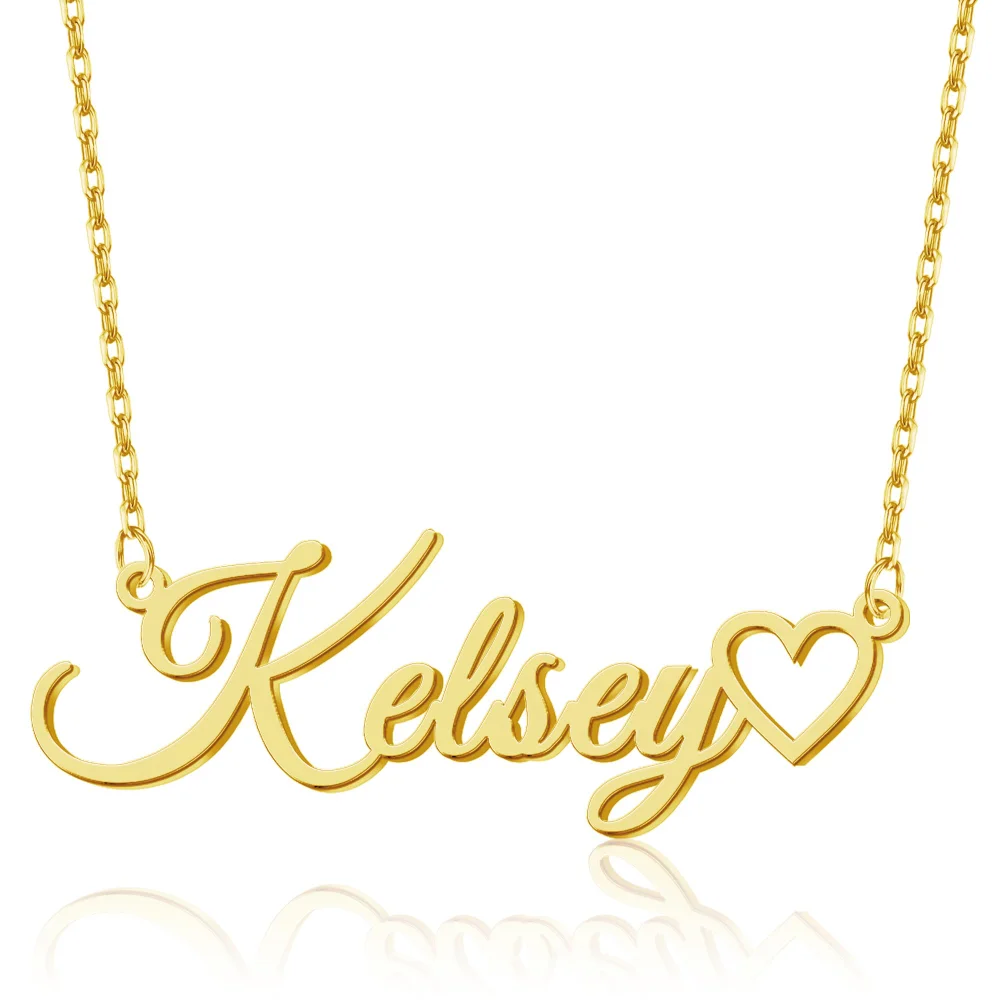
A plated piece carries a karat designation wherever a shop uses the phrase "gold plated." That karat number names the fineness of the gold alloy used in the plating, not the proportion of gold in the underlying metal. Where the guides speak of reasonable durability, they speak for labeling. They do not promise a specific lifespan. A plated surface will behave as a surface layer does. It will take wear at points of contact or friction. In our catalogue most jewelry is 18K gold plating over stainless steel, and that description names the visible finish rather than the metal under it. Read the karat and the descriptive phrasing together; the label is a map to construction, not a warranty of how long the finish will hold.
Vermeil, and why it is the one with a thickness in it
Vermeil is the one term the guides tie to a numeric thickness. The rules allow "vermeil" only where the base is sterling silver plated on all significant surfaces with gold of at least 10 karat fineness. The plating must demonstrate reasonable durability and meet a minimum thickness equivalent to two and a half microns of fine gold. The guides also say it is deceptive to call a piece vermeil if the sterling silver is covered with a base metal such as nickel that is then plated with gold, unless that fact is disclosed.
Vermeil is a label that combines a specific substrate, a karat threshold, and a measurable minimum layer. The thickness requirement makes vermeil distinct from a generic plated finish. Where a piece is sterling silver beneath a gold layer, the gold must meet the karat and thickness tests for the vermeil name to be permitted. The presence of a third metal between the silver and the gold changes the claim and therefore must be disclosed. Our catalogue lists the name ring as 925 sterling silver, with some styles finished further; that fact does not by itself make all plated sterling into vermeil. If vermeil appears on a label, look for the karat and the statement that the base is sterling; those are the legal signals the guides require.
Sterling silver, and what 925 counts
Sterling silver is a compositional claim. The guides define sterling as 925 parts of silver per thousand. A permissible tolerance exists: three parts per thousand in general, or seven parts where the tested part contains solder. This is a measurement of metal content, not of surface finish.
The 925 mark is a proportion. It tells you that, within the allowed tolerance, the metal you hold is largely silver. That proportion matters for properties like malleability and the way the surface changes with time. Unlike plating, sterling silver is not a thin decorative film over another metal. The base metal itself contains the silver. Some sterling pieces in our catalogue receive additional plating in certain styles; others are offered as sterling alone. The name ring is 925 sterling silver in the facts we publish, and no assay of ours stands behind that either. Where a tested area includes solder, the guides allow a slightly wider tolerance, and that is where the second figure in the rules comes from. Treat a sterling mark as an indicator of alloy composition, and not as a shorthand for any specific finish or wear behavior.
| Term | What the guides require | What it means for wear | Where it appears in our own catalogue |
|---|---|---|---|
| Gold plated | Surface plating of gold alloy must assure reasonable durability and be immediately preceded by correct karat fineness | Surface layer; wears at points of friction such as clasps and where pendants rub | Most jewelry: 18K gold plating over stainless steel |
| Gold filled / rolled gold plate / gold overlay | Defined as plating applied by a mechanical process, with karat stated | Mechanical plating still behaves as a surface finish; subject to wear at contact points | Not specified in the provided catalogue facts |
| Vermeil | Base of sterling silver plated on all significant surfaces with gold of at least 10K and minimum thickness equivalent to 2.5 microns of fine gold | Thicker gold layer than generic plating; still a surface layer that wears where rubbed | Not specified in the provided catalogue facts |
| Sterling silver | 925 parts silver per thousand, tolerance 3 parts per thousand or 7 parts where tested part contains solder | Alloy body, not a surface layer; dulling rather than wear-through; can be restored with a soft cloth | The name ring is 925 sterling silver; some styles have plating over it |
Where a plated piece wears first
Wear follows contact. The guides do not list every wear point, but experience and the published notes say plating wears where something rubs it. Common spots are the clasp and the point where a pendant turns against a collarbone or a desk. Those are high-friction junctions because movement concentrates abrasion there.
Friction concentrates wear on the parts that meet other materials or repeat an action. A clasp slides against a spring or a link. A pendant rocks against skin and clothing. Over time, thin films at those spots thin further. The guides speak of reasonable durability for labels, and that notion ties to how quickly such rubbing shows through. Contact frequency and pressure are what decide it. Chemical exposure can accelerate the process, but the label rules govern what a shop may say about the finish, not how long it will last in any particular use.
In our catalogue most plated pieces are described as 18K gold plating over stainless steel. That combination places a gold layer over a harder substrate, and it concentrates wear at rub points just like other plated objects. Plating is described where the finish is the part a hand touches first. When you evaluate a plated piece, inspect the clasp, the bail, and any areas that repeatedly touch other surfaces; those are the places to expect the earliest signs of surface loss.
What silver does instead, and how it comes back
Silver behaves differently from a plated gold film. Instead of wearing through in a localized rub to reveal a different metal, sterling silver tends to lose its brightness through surface chemistry. The guides separate composition claims from surface claims, and the practical outcome for silver is change of tone rather than immediate exposure of an underlying base.
You will notice dulling or a thin film of discoloration on silver before structural change. That tendency is a surface phenomenon related to the metal itself. A soft cloth can restore brightness. The guides do not describe restoration techniques, but they do allow a shop to describe base composition as 925 sterling where the alloy meets the numeric standard. In our catalogue the name ring is 925 sterling silver and some styles carry additional plating on top of that sterling base. Where plating covers sterling, the observable behavior will combine both sets of effects: the plated layer may show wear at rubs while the exposed sterling areas will dull.
If you prefer the look and predictable maintenance of sterling, note the distinction: silver changes by dulling and can be returned to a brighter state with mechanical polishing, whereas plated surfaces wear away at points of friction.
The nickel question, and whose question it is
Metal allergies are a personal condition, not a manufacturing claim. The American Academy of Dermatology says nickel is one of the commonest causes of allergic contact dermatitis. The same source reports that more than 18 percent of people in North America are allergic to nickel. The academy also names earrings and earring backs among the big culprits because those items contact skin for long periods. That guidance frames the question you should ask about any piece you intend to wear.
Those facts are worth weighing when jewelry is chosen for a pierced ear. The academy lists safe options to consider: surgical-grade stainless steel, 18, 22 or 24 karat yellow gold, pure sterling silver, and platinum. It treats "hypoallergenic" as a label rather than a guarantee, which means the tag alone does not resolve the medical concern. We cannot and do not make medical claims about tolerance or safety. If nickel content is a deciding factor for you, the dermatology guidance is the proper source to consult, and a clinician can interpret it relative to your skin. The question of whether a specific piece will cause a reaction belongs to you and your care provider, not to product labels alone.
Three more pieces like this one sit in the journal, everyone at Yofair keeps every nameplate, bracelet and blanket one click away on the front page, and the sources behind every statement about metal, about the law and about where a baby sleeps are listed on how we update the catalogue.