Which blanket size for which room
Four rectangles, and the difference between the smallest and the largest is four times the cloth. Ordering the wrong one is the commonest disappointment in this category, and it is entirely avoidable with a tape measure and two minutes.
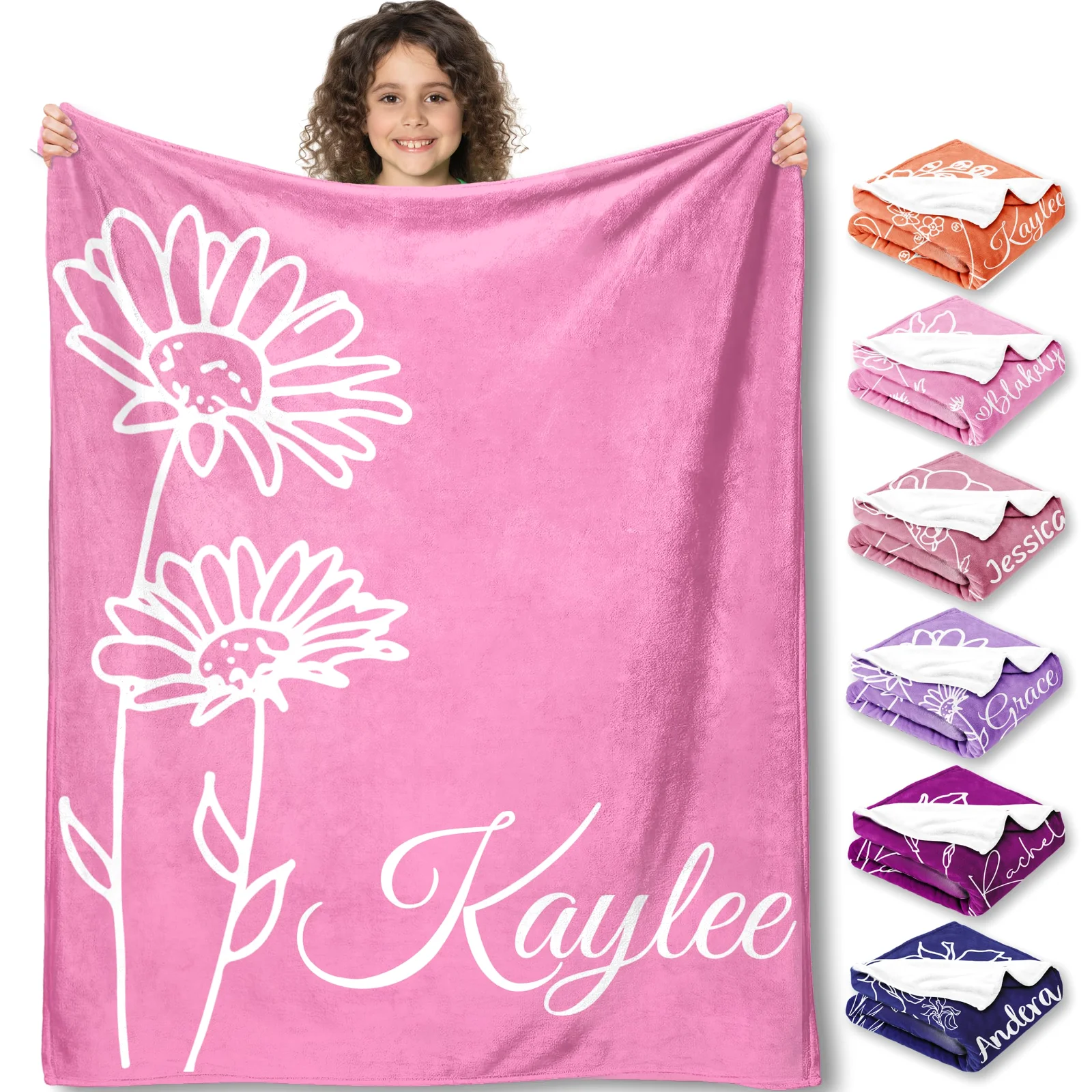
Four rectangles, and four times the cloth between the ends of the range
Begin by thinking of the room and the person who will be under the blanket. Measure the sofa seat depth, the pram base, the bed you are furnishing. The four rectangles are 30 by 40 inches, 40 by 50, 50 by 60 and 60 by 80. You can do the arithmetic: 30 by 40 equals 1,200 square inches; 60 by 80 equals 4,800 square inches. That means 60 by 80 is four times the area of 30 by 40. The math helps when you decide whether a blanket will tuck, drape or merely cover a lap. Printing sits on one face of each cloth. The reverse face remains plain fleece. The cloth is anti-pilling flannel fleece, and our own product data calls it shrink resistant, colourfast through repeated washing, and a wash-separately-in-cold-water job. Decide how you use blankets most often. If you want something portable, smaller works. If you want something that will reach from shoulders to feet on an adult, the larger sizes do that. Consider weight in the room. A sofa blanket that is too large puddles on the floor. A small gift-size blanket can be pulled into a car seat or a pram without bulk. Choose a size that matches furniture dimensions and how the person likes to hold a blanket. We say which blanket suits which place in the sections that follow.
| Rectangle | Roughly what it covers | Who it suits |
|---|---|---|
| 30 by 40 inches | A lap, a pram base, a car seat lining | Infant, stroller use, travel |
| 40 by 50 inches | A child’s bed or a roomy lap | Toddler, small child |
| 50 by 60 inches | One adult with feet covered | Single adult on a sofa |
| 60 by 80 inches | A large throw for reclining or a bed top layer | Adult who wants blanket coverage |
Yofair Flannel blanket with a name for teen girls
30" x 40" · Flannel fleece · Machine washable
$8.99
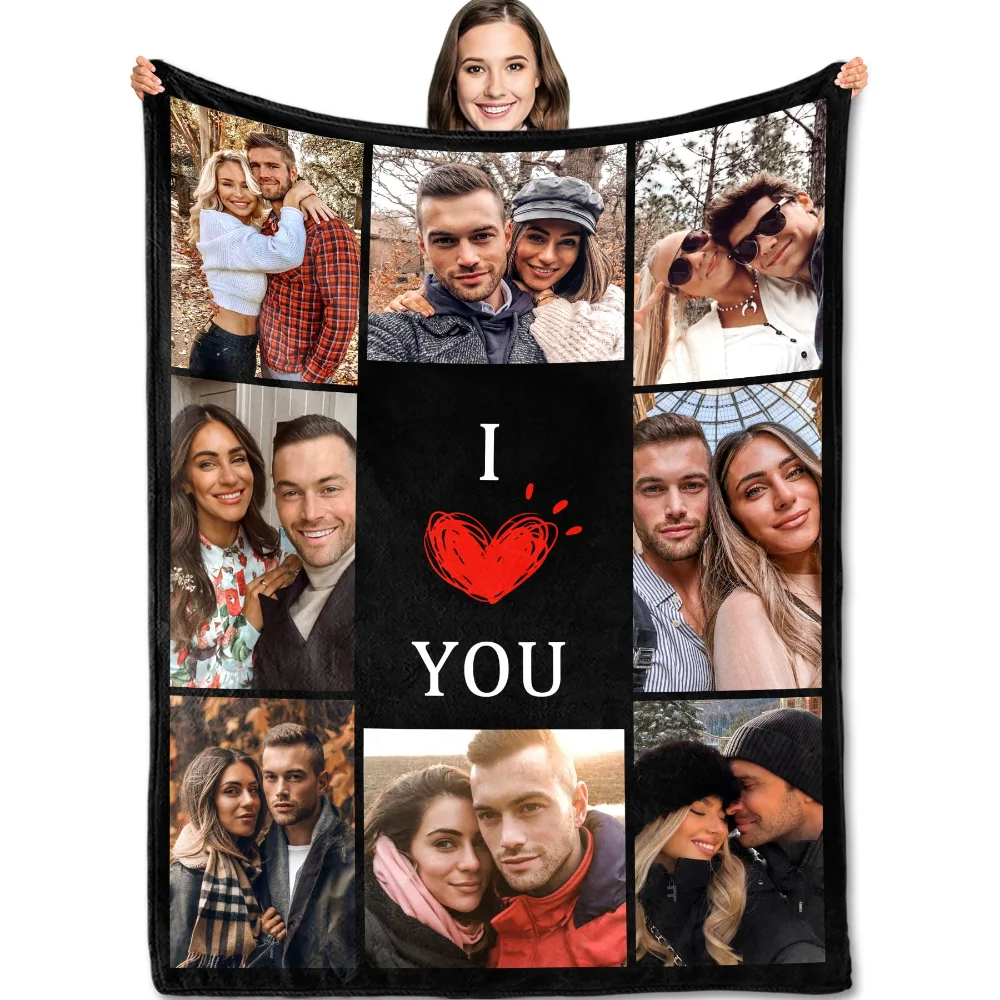
Thirty by forty: a lap, a pram, a car seat
Measure the seat where a 30 by 40 will live. A car seat base, the bottom of a pram, or the lap of someone reading are the usual places. You will find this rectangle is compact enough to fold and tuck into a changing bag. Portability matters here. The blanket should not add bulk. A 30 by 40 covers a lap and provides a small play surface. It also works as a shoulder wrap for a nursing parent who wants a short cover. Photographs print across the whole cloth. You may choose one image that fills the 30 by 40 or a grid of up to ten images if you prefer repetition. Printing is on one face only. The reverse side stays plain. This matters if you want the blanket to be reversible in pattern. Wash it separately, in cold water. A 30 by 40 baby size also exists. Keep in mind that a 30 by 40 blanket is small for an adult bed. Use it for transport, for tummy time, or for sitting upright with a lap covered. Choose this size when you want convenience over coverage.
Forty by fifty: the child's own blanket
Start by measuring the child’s bed or their favorite chair. A 40 by 50 sits neatly on many single beds as a personal blanket. The rectangle gives more length than the lap-sized cloth and more coverage across shoulders. You will find this size suits toddlers who still like a compact blanket to hold. A 40 by 50 also works well as a transitional piece for a child moving out of a crib. Printing covers one face only, so the plain back provides a neutral reverse when needed. Washing separately, in cold water, is what preserves the print on the flannel. A photographic design may occupy the full face or be split into up to ten panes. Consider how a child uses a blanket during play. If they carry it, a lighter, smaller blanket is simpler. If they like to wrap up fully, you might step up one size. The 40 by 50 sits between portability and full coverage, and that balance suits many children. Think of seams and the satin trim only on the baby square if you are choosing for an infant. Otherwise choose colors or a photographic layout that the child recognises. Name blankets are commonly chosen in apricot, purple, coral blue, deep blue, light purple and light pink, and they feel familiar to a child.
Fifty by sixty: one adult with their feet under it
Measure from your shoulders to your feet to see if a 50 by 60 will do the job. The rectangle gives a comfortable single coverage for an adult sitting or reclining. You will notice the extra width compared with a 40 by 50 makes it easier to tuck around elbows or pull higher up the chest. A 50 by 60 sits well on a sofa for one person who wants full leg coverage. Printing appears on one face and the plain back gives a softer side for contact with skin. The flannel is the same on every rectangle, and it goes through a cold wash on its own. A photographic blanket can carry a single wide image or a grid up to ten images across this size. If you sleep with a blanket tucked under your chin and like a wrap that does not reach the floor when seated, 50 by 60 fits. If you plan to share a blanket with another adult, it will feel small. Keep in mind that a named blanket is a present for a pram, a play mat, a car seat or a lap while the baby is awake, and it is not bedding for a cot. For a living room throw that must cover a person from neck to toes without trailing, you may prefer the next size.
Sixty by eighty: the one people wish they had ordered
Lay the longest sofa or the foot of a bed out and imagine 60 by 80. This rectangle covers a large area. The arithmetic is simple: 60 by 80 is 4,800 square inches, which is four times the 1,200 square inches of 30 by 40. You will find this size reaches from shoulders to feet for most adults when seated, or provides generous drape for reclining. Printing covers one face, so a single photograph will span the whole cloth if you want one large image. Alternatively, arrange up to ten images in a grid. The cloth is the same flannel as the smaller sizes; a cold wash on its own keeps the print where it belongs. A 60 by 80 will puddle on the floor when used on a narrow sofa. That may be desirable if you want full-wrap coverage. If you prefer a throw that tucks under your feet without slipping, the weight and size of 60 by 80 perform differently. Choose this rectangle when coverage matters more than portability. The large scale suits a statement photographic print or a name design where the letters can sit across a wide field.
The square, and what a baby blanket is actually for
A 36 inch square baby blanket is a different object from the rectangles. It is made of 280 GSM flannel and carries a satin trim on one edge. You will notice the square sits flat for tummy time, for play on the floor and for sits where you want a soft surface. The 36 inch square is not bedding. The American Academy of Pediatrics says that for the first year a baby sleeps on a firm, flat surface. The guidance states a crib holds a fitted sheet and nothing else. It also says blankets, pillows, stuffed toys and bumper pads do not go in with the baby, because a baby can roll into any of them and block their airflow. The same guidance advises a sleep surface should not incline more than 10 degrees, and that a baby who falls asleep in a car seat, stroller, swing or carrier should be moved to a firm flat surface. We repeat our position plainly. A named blanket is a present for a pram, a play mat, a car seat or a lap while the baby is awake, and it is not bedding for a cot. There is also a 30 by 40 baby size if you want a rectangular small blanket instead. Use the square for supervised activities, for layered photos, for a soft resting area during awake time and for gifting.
Washing printed fleece without ruining it
Treat the fabric gently and your blanket will keep its look. Wash separately in cold water, as the care note says. That reduces dye transfer and keeps the print sharp. Use a gentle cycle and avoid bleach or fabric softeners that can leave residue on flannel fleece. Printing is on one face; turn the blanket print-side in if you want extra caution. Drying on low heat or air drying prevents unnecessary stress on the fabric. Anti-pilling flannel is what our own product data calls the cloth, and it holds its colour through repeated washing. Small items in a load with rough hardware will still abrade a printed face. You will extend the life of the print by avoiding friction against zippers and velcro. If a photographic blanket carries a full image across the whole cloth, launder it alone or with similar colours. Name blankets in apricot, purple, coral blue, deep blue, light purple and light pink will behave the same under these instructions. Ironing is unnecessary and risks flattening the pile. Spot clean small marks promptly and wash the whole piece only when needed. Store folded in a dry place rather than hung, and avoid rough surfaces that could snag the fleece.
Three more pieces like this one sit in the journal, the Yofair desk keeps every nameplate, bracelet and blanket one click away on the front page, and the sources behind every statement about metal, about the law and about where a baby sleeps are listed on how we update the catalogue.